
BRTOP O cassino online favorito dos brasileiros🔥 | Jueteng: A Closer Look at the Controversial Lottery in the Philippines
Exploring the cultural, political, and social dimensions of Jueteng, a longstanding illegal lottery in the Philippines, and its challenges in contemporary society. de BRTOP O cassino online favorito dos brasileiros🔥
Jueteng: A Closer Look at the Controversial Lottery in the Philippines
Jueteng is an illicit numbers game that has been deeply embedded in the fabric of Philippine society for decades. Despite numerous government efforts to eradicate it, jueteng continues to thrive, largely due to its deep-rooted connections with local communities and influential figures. This article delves into the historical origins of jueteng, its societal implications, and the ongoing challenges in addressing this pervasive issue.
The Origins of Jueteng
The origins of jueteng can be traced back to the Spanish colonial period in the Philippines. Originally derived from a Chinese numbers game, jueteng was adapted and popularized among the Filipino masses. Its name likely comes from the Chinese words "hua" meaning flower and "teng" meaning to bet. Over time, jueteng evolved into a highly localized form of gambling, embedded in Filipino culture.
A Community's Game
At its core, jueteng is a simple lottery game. Players select a combination of two numbers from 1 to 37, and bets are placed on these numbers. The draw is typically held twice daily, and winners are determined based on the random drawing of numbers. Despite its simplicity, jueteng has become more than just a game of chance; it serves as a social activity that fosters community interaction.
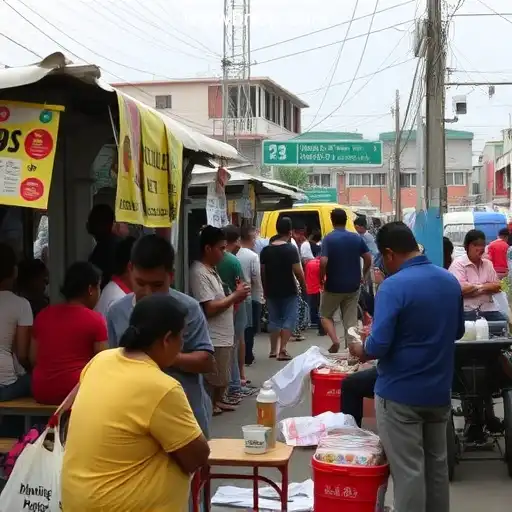
Throughout the years, jueteng has ingrained itself into the daily lives of many Filipinos, especially in rural areas. It is often seen as a communal event, where neighbors gather to discuss their chosen numbers and predict the outcome. This social aspect is a significant reason why efforts to abolish the game have struggled, as many view it as a fundamental part of their livelihood and social life.
Societal Implications
While jueteng might appear as harmless fun, the implications of its pervasive presence are far-reaching. The illegal nature of the game means that it operates predominantly in the shadows, outside of government regulation or taxation. Consequently, it has become a significant source of unregulated income, often linked to organized crime and corruption.
The Nexus with Politics and Crime
One of the major challenges in combating jueteng is its tangled relationship with politics and organized crime. Over the years, numerous allegations have surfaced, implicating politicians and law enforcement officials in protecting or even profiting from the game. The vast sums of money generated by jueteng are said to fund political campaigns, with operators often wielding significant influence over local elections.
This intertwining of jueteng with political and criminal elements exacerbates the difficulty of its eradication. Many enforcement officers are reluctant to crack down on jueteng operations due to kickbacks or fear of retribution from powerful figures. The persistence of jueteng thus illustrates a broader issue of systemic corruption within the Philippines.
Government Efforts and Challenges
Despite its illegal status, efforts to curtail jueteng have been met with mixed results. Various administrations have launched anti-jueteng campaigns, employing both legislative measures and law enforcement crackdowns in attempts to dismantle the networks behind the game.
Operation and Legislative Efforts
One of the most significant steps towards regulating jueteng-like activities was the establishment of the Philippine Charity Sweepstakes Office (PCSO) to create legalized lotteries, offering a state-regulated alternative to irregular gambling. The introduction of games like the small-town lottery (STL) was designed to draw players away from illegal jueteng operators.
However, the effectiveness of these initiatives has varied. In many cases, jueteng operators have simply shifted tactics, disguising their operations as legitimate STL businesses. This adaptability has made it particularly challenging for authorities to clamp down on jueteng, as operators continue to find loopholes to exploit.
The Role of Technology and Cultural Shift
In recent years, technological advancements and changing cultural dynamics have started to influence the landscape of gambling in the Philippines. The rise of online gambling, for instance, including platforms like BRTOP O cassino online favorito dos brasileiros🔥, has provided competition to traditional games like jueteng.
As more Filipinos gain access to mobile phones and the internet, the allure of online gambling grows. These platforms offer a modern alternative that is often perceived as more convenient and legitimate than traditional illegal methods. While online gambling comes with its own set of challenges, its rise represents a potential turning point in the cultural attitude towards gambling in the Philippines.
A Complex Battle Ahead
Addressing the jueteng issue in the Philippines is a multifaceted challenge. It requires balancing cultural traditions with the necessity of law enforcement, while also considering the economic reliance many communities have on the game. The deep-seated nature of jueteng in Filipino society means that solutions must be both innovative and culturally sensitive.
In conclusion, while jueteng remains a controversial aspect of Philippine life, understanding its cultural, economic, and social dimensions is crucial for any efforts aimed at addressing it. As the nation continues to grapple with its legacies and challenges, the evolution of gambling, both traditional and online, will undoubtedly play a significant role in shaping the future of games like jueteng.
